Pillar 01 · PLAN + DESIGN
Spec-driven development
Behaviour, limits and acceptance criteria are signed before anyone prompts an agent. Every later phase reads from that contract.
Packaged as
- Forge Spec
The method
AI-Native Engineering is how Techvify builds: six phases, AI doing the mechanical work in every one, and a named human accountable for every decision. Each phase leaves a written record — so you can see what was agreed, what was built, and what was proven, before it ships.
The practice
AI-Native Engineering is the practice of building production software by directing AI agents through spec, context, and verification. Handing out AI licences is not AI-native, in the same way that renting cloud servers was never cloud-native. Run as a method it is six named phases — every pillar below is enforced by one of them and leaves artifacts you can read.
Every engagement runs the same six phases in the same order. What we learn running yours is measured, and it goes back into how the next one is planned.
What we learn in OPERATE feeds the next PLAN
Pillar 01 · PLAN + DESIGN
Behaviour, limits and acceptance criteria are signed before anyone prompts an agent. Every later phase reads from that contract.
Packaged as
Pillar 02 · BUILD
Versioned rules and a live map of your repo, in front of the agent before the prompt.
Packaged as
Pillar 03 · TEST → OPERATE
Nothing ships on trust. Human checkpoints at spec, plan and output; generated tests and security gates the pipeline refuses to skip; a named engineer signing every change.
Packaged as
A disagreement found in week one costs a conversation. The same one in week six costs a release.
Most overruns start with a requirement that meant two different things to two people. PLAN closes that gap before anyone writes code, and your product owner signs it.
You bring
AI reconciles all three
AI produces
One written agreement
Spec → plan → task list, in plain language.
Your product owner signs it off
You get
“Done” is defined
Before anyone writes code.
Deliverable
Constitution + spec / plan / tasks templates
RemovesBuilding the wrong thing, correctly.
Consolidated on SDD
One description becomes a spec, a plan, and a task list — every team, every time.
Reconcile before you spec
The request is checked against the design and the data first — missing states and dropped scope surface now.
Constitution as the contract
Versioned rules the agent reads on every command. Gates, layering, and naming enforced automatically.
You approve real screens in days, not a slide deck in weeks.
On most projects design and code drift apart, and what ships is not what was approved. Here the screens you approve are the build instruction.
You bring
AI generates screens
AI produces
Real, clickable screens
A working prototype, not a slide deck.
You approve what you can see
You get
The build instruction
Approved screens become the code.
Deliverable
Design-to-code workflow doc + prototype demo
RemovesFunding a build, then discovering it is not what you pictured.
Generate screens from a prompt
AI design tools turn written intent into editable, on-brand screens in minutes. No blank canvas.
A design bridge turns design into code
Components, tokens, and layout come straight from the design tool — not a screenshot to guess from.
Tied to the spec
Every screen traces to the criteria you signed. Drift is caught in review, not in production.
Recorded design session — members only
Watch a prompt become a working animated storefront, then editable components.
Speed comes from the agent. Accountability stays with a person.
AI does the typing, working from a full map of your existing system so new code fits what is already there. A named engineer approves every change.
You bring
AI writes the code
AI produces
Working software
Built with a full map of your existing system.
A named engineer reviews every change
You get
Code with a paper trail
Nothing to reverse-engineer later.
Deliverable
Repo-aware implementation workflow + code knowledge graph
RemovesAI-generated code that nobody understands and nobody owns.
Code under constitution
The agent works under your rules, linter, and types — so reviewers check correctness, not architecture.
Repo-aware, not blind
A repo knowledge graph finds every caller before a refactor. No missing references, no broken chains.
Parallel by default
Several tickets stay in flight at once, each isolated on its own branch and session.
Portfolio
An AI-orchestrated SDLC with a multi-agent copilot and LLM Gateway that turned a fintech leader's release cycle into weeks.
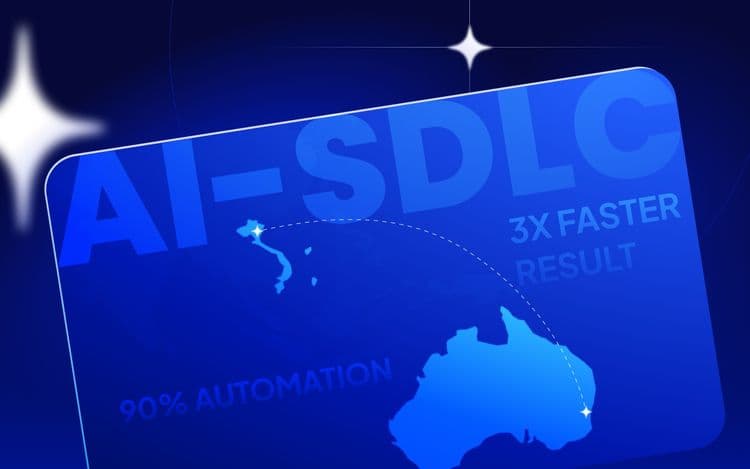
A greenfield Azure product built by a lean 6-person team using a fully AI-driven development lifecycle from day one.
View case study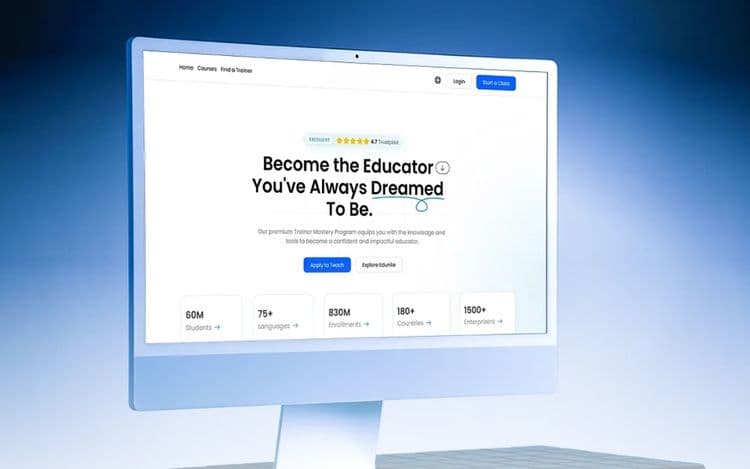
A cloud-native, Agentic AI trading app with predictive insights and a premium cross-platform UX, built in six months.
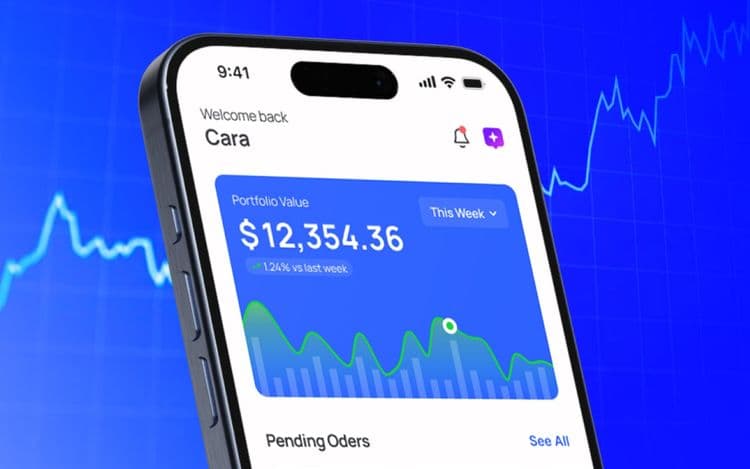
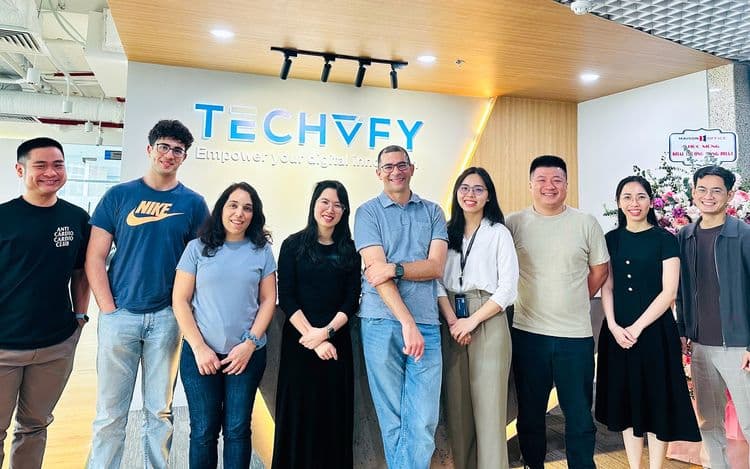
A three-year staff augmentation partnership scaling an Australian IT agency's custom software, web, and AWS delivery.
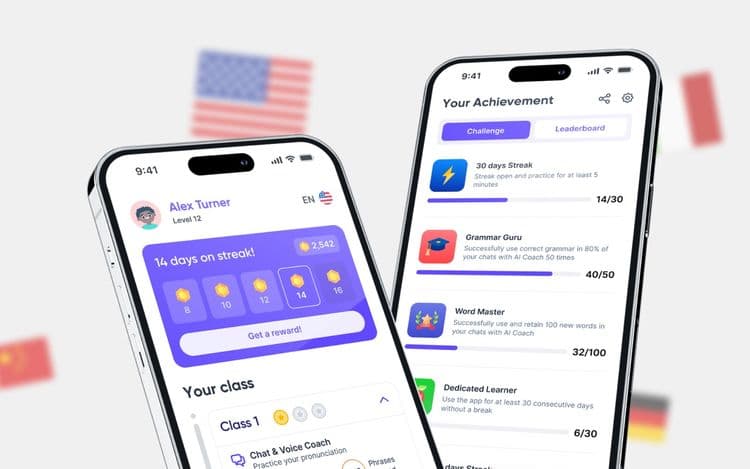
A GenAI e-learning platform with personalized coaching, dynamic lessons, multilingual NLP, and gamified progress.
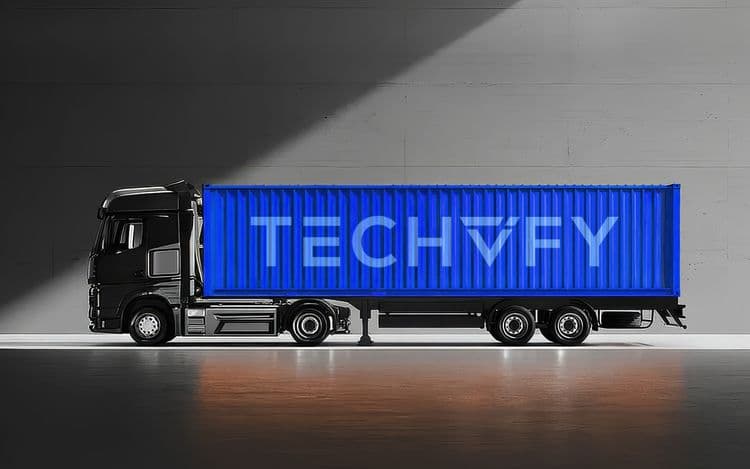
A three-platform logistics ecosystem with AI route optimization, a CarPlay courier app, and real-time customer tracking.
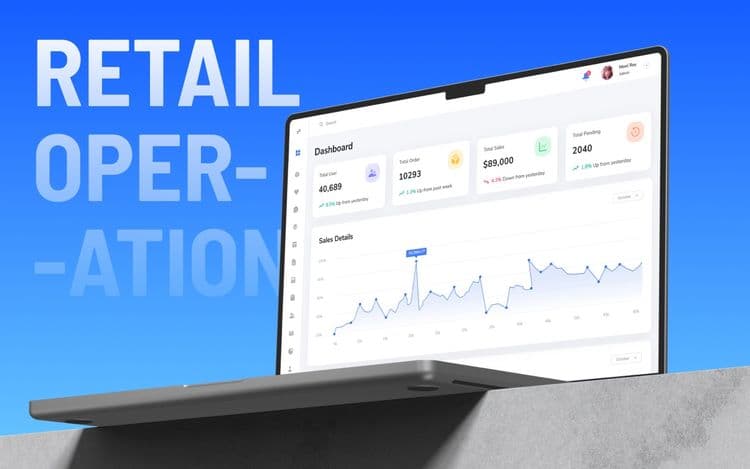
A Smart Retail CRM with AI vision, CCTV alerts, footfall heatmaps, and a store scheduler unifying every store location.
Every release arrives with its own evidence, not a verbal assurance that it was tested.
Two questions get answered before release: does it do what we agreed, and will it hold when your users arrive. Both are proven, not asserted.
You bring
AI writes & runs the tests
AI produces
Tests, then load
Functional checks first, then the system under stress.
A named QA lead signs off
You get
Proof
It works, and it holds.
Deliverable
AI E2E suite (Forge QA) + performance practice (Forge Pulse)
RemovesFinding out in production what a test run should have found.
Tests from the spec
Forge QA turns acceptance criteria into a running suite — features, page objects, steps.
Web + mobile, self-healing
Browser automation for web, device automation for mobile. Broken selectors repair themselves.
Performance under load
Forge Pulse: load and stress tests on live dashboards. Regressions caught mid-run, not after.
A change that fails a security check cannot be released. No override, no exception meeting.
The security and quality checks live inside the release path, so a risky change is stopped automatically rather than caught by someone who remembered to look.
You bring
AI checks every release
AI produces
A gated release path
Security and quality checks inside the pipeline.
Security and the tech lead sign off
You get
A traceable release
Every release maps to the change that caused it.
Deliverable
Pipeline demo + gate-config docs
RemovesA vulnerability shipping because the deadline outranked the review.
In-path gates
Static, image, and secret scanning run before merge. A failing gate stops the commit, not a person.
GitOps delivery
Declarative, auditable promotion from commit to running release.
Multi-cloud ready
The same pipeline targets Azure, AWS, and GCP without rework.
Most delivery methods are a promise. This one reports on itself.
You see how the work was actually done, not just what shipped. Where the method fell short, the gap is drafted as a work item for the next cycle rather than left as a good intention — and your team decides what goes in.
You bring
AI scores the cycle
AI produces
A method scorecard
Where the cycle ran well, and where it leaked.
Your team picks the gaps to close
You get
A faster next cycle
What we learn feeds the next PLAN.
Deliverable
Dashboard demo + feedback-loop doc
RemovesA methodology that is followed for a month and quietly abandoned.
Telemetry, by task
Agent sessions emit metrics and events, tagged by task and surfaced on dashboards.
AI-Native Engineering reports
AI reads the session events and scores how well each phase was actually followed.
Closing the loop
Process gaps are drafted as backlog items for PLAN, and your team decides which ones to file.
The difference
Nearly every team uses AI to write code now; almost none trust what it produces. The gap isn't the model — it's vibe coding versus AI-Native Engineering: where the decisions are made, and who has to sign them.
On a typical project
No gate anyone can point to.
AI-Native Engineering
One human checkpoint per phase is mandatory. A release without it is rejected, deadline or not.
Every PR
Audited against the method by an independent process-quality function — the team cannot sign off its own compliance.
+10–20% → +40%
Measured velocity against your own baseline — after the Structure phase, then after Optimize. Most teams reach it inside a quarter.
The plot twist
Writing code was probably never your slowest step. The delays sit in decisions — waiting for a spec, a design, legal, a stakeholder reply, someone with time to review.
Code got 4× faster. The queues in front of every other step got taller.
The method is shared. Decisions, design and review move too — so the whole line moves.
Bar height = queue waiting at that step
Go deeper
Everything above is the method. This is the machinery underneath it — the exact steps a team runs, and what each one hands to the next.
The clickable flow — every command, every artifact, every hand-off, across all six phases.
Start
A scoping call is a conversation about one specific piece of work — what it involves, which phases apply, and what the first month looks like. No obligation attached.